
Doctor of Counselling and Psychotherapy
Advance from accomplished clinician to trusted leader through Canada’s only professional doctorate in counselling and psychotherapy.
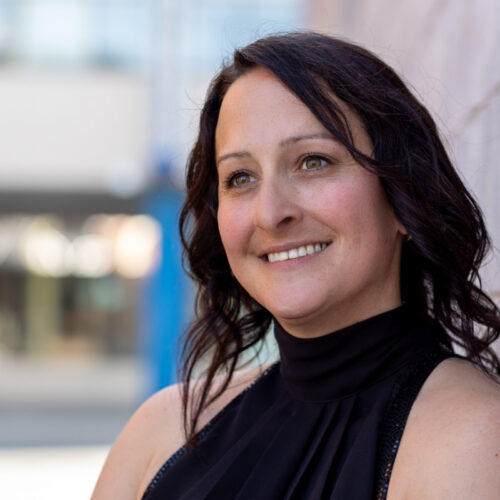
The DCP gave me the leadership knowledge and confidence to take my work beyond individual change and into systems change.
Danielle Bernard-St-Denis
Registered Psychotherapist and Social Worker
Redefine the Identity and Impact of Counselling and Psychotherapy
Advance your professional influence through doctoral-level competencies in clinical leadership, supervision, mentorship, and complex case conceptualization while strengthening professional identity and ethical leadership. Instead of a traditional dissertation, complete an Applied Scholarship Project that creates real-world solutions such as clinical innovations, program evaluations, and policy-informed interventions ready for practice. Earn the highest credential unique to your field and become the voice that defines standards, coaches emerging therapists, and reshapes mental health systems.
Duration
As Few as 3.5 Years*
*With full course load, year-round study and/or approved transfer credits. Contact an Admissions Advisor for more information.
Tuition
$54,900
Cost per credit: $915
Total credits: 60
Application fee: $150
Campus
Online
With synchronous components.
Starts
January, May, September
Your Program. Your Advantage.
Start Your Application
Start Your Application
Hear From Our Graduates
Admission Requirements
To Apply You Will Need
- Completed online application and $150 application fee
- Official master’s transcript and proof of a master’s degree
- Two years of post-master’s-degree counselling experience
- Resume and letter of intent
- Two academic or professional references
- Detailed course descriptions if applying for transfer credits
- Proof of English language proficiency for degrees completed in a language other than English with a TOEFL score of at least 95, IELTS overall score of 7.0, or equivalent on other recognized tests
Minimum Academic Requirement
You will need a master’s program cumulative grade point average (GPA) of at least 3.3 on a 4.0 or a 4.3 scale, or the equivalent on other grading scales.
Conditional Admission
Some applicants may be admitted on a probationary basis if their cumulative GPA is between 3.0 and 3.3.
Course Descriptions
Start Your Application
Start Your Application
Program Description
The Doctor of Counselling and Psychotherapy (DCP) is a professional doctoral program intended to be at the forefront of the emergence of counselling and psychotherapy as a profession distinct and separate from other health and helping professions. The DCP degree program has a focus on leadership, social justice, and cultural competence, with graduates of the DCP acquiring the knowledge and skills required to help define the identity of the counselling and psychotherapy profession and to be leaders in the establishment of the profession across Canada. They bring the tools of applied scholarship to bear on problems of practice in counselling and psychotherapy. They understand the necessary relationship between individuals’ wellness, personal growth, mental health, social justice, and are attentive to inclusiveness, cultural responsibility, and service to underserved communities.
Because of its facilitated online learning format, this program is accessible to people who are qualified or already registered, certified, or regulated counsellors and psychotherapists or professionals in a related field that permits them to provide counselling/psychotherapy services. It is designed for those who are seeking the opportunity to apply scholarship to the improvement of their professional practice and extend their careers into successful, community-minded practices in which they increasingly assume leadership roles in the developing profession.
3 Credits
This course examines some of the key components related to the professional identity of counselling within a Canadian context. It situates counselling within the broader mental health context and explores the similarities and differences between mental health specialties. It also examines the role that ethics plays in shaping professional identity.
3 Credits
This course focuses on the application of counselling and psychotherapy theories through case conceptualization and clinical planning. Students develop a complete treatment plan that includes assessment, goal setting, and discharge planning, all grounded in theoretical perspectives in counselling and psychotherapy. They support clinical decisions with empirical and scholarly evidence and examine ethical, cultural and practical considerations within professional counselling relationships.
3 Credits
This course prepares students to understand and apply the scholarship and empirical literature to professional practice in counselling and psychotherapy. Students engage with advanced applied research methods, critically examine research and explore how it can be translated and applied to practical challenges within the discipline.
3 Credits
This course develops advanced assessment skills for therapeutic practice.
Students critically examine how assessment informs relationship-building, case conceptualization, treatment planning, and outcome monitoring. The course emphasizes ethical and culturally responsive approaches that guide collaboration and adaptation throughout the therapeutic process.
3 Credits
This course examines advanced applications of systems theory and transformational and systemic models of change, with a primary focus on couples and family therapy.
Students develop skills in systemic and transformational research-informed interventions within culturally responsive contexts and additionally explore applications to individual and community-based issues.
3 Credits
This course examines contemporary approaches to program development and project management within counselling, educational, and psychological contexts. Students apply an evidence-based model associated with innovation and planned change to design, plan, and organize a project, product or service addressing a specific issue, population, and setting. The course emphasizes emerging trends and developmentally-oriented prevention projects.
3 Credits
This course provides an advanced understanding and application of personal attributes and professional practices essential for effective counselling across diverse settings. Students engage in self-assessment and examine ongoing professional self-monitoring of mental well-being in relation to therapeutic capacity, with a focus on the personal adjustment and the maintenance of healthy counselling relationships.
3 Credits
This course provides students with advanced understanding and implementation of evidence-based practices. Students work in consultation teams to identify best practices for client issues, localize or adapt interventions for multicultural effectiveness, and consider how this knowledge might be applied within collaborative work with clients.
3 Credits
This course develops skills in reflective practice within counselling and psychotherapy. Structured learning activities and faculty mentorship support the refinement of reflective competencies.
3 Credits
This course supports the development of advanced competencies in case conceptualization and the integration of selected theoretical orientations. Students incorporate mentoring feedback to the analysis of case scenarios, strengthening their ability to connect theory with professional counselling and psychotherapy practice.
3 Credits
This course deepens students’ ability to organize and synthesize complex client-centred information. Students critically examine evidence-based practice in relation to professional identity, ethical decision-making, interdisciplinary collaboration, and the scientist-practitioner model. They explore scholarly discourse and cultural adaptations of evidence-based interventions for mental health and substance use disorders, and develop applied skills through case conceptualization discussions.
3 Credits
This course critically examines major theories of supervision in counselling and psychotherapy. Students explore ethical and legal considerations, supervisory relationships, and various models and interventions used across clinical, educational, organizational, and mental and behavioural health settings. Current research in counselling supervision is thoughtfully reviewed and integrated into the study of supervisory practice.
3 Credits
During this course, students expand their supervisory and consultation skills within the broader context of their personality, experiences, culture, and background. This course includes concepts, processes, and styles of advanced supervision and skills consultation. Students participate in live mock counselling sessions, giving them the opportunity to gain experience with counsellors-in-training.
3 Credits
This course provides students with opportunities to build upon their current competencies in counselling and psychotherapy. The topics explored include counsellor identity development, theoretical orientation in counselling and psychotherapy, the therapeutic relationship, and advanced case conceptualization.
3 Credits
This course develops advanced skills for the direct practice of integrated behavioural health in primary care. Students explore provider roles, models of care, and cross-cultural considerations. They develop skills in engagement, assessment, intervention planning, implementation, and evaluation, with a focus on supporting individuals across a spectrum of physical and behavioural health conditions.
3 Credits
This course examines counselling approaches for working with diverse clients, with an emphasis on underserved or marginalized communities. Students explore the culture-infused counselling framework developed by Canadian scholars, with a focus on multicultural competency development and evidence based, culturally responsive practices.
3 Credits
This course examines foundational research in professional leadership and advocacy within the professional counselling and psychotherapy practice. Students analyze ethical leadership principles and apply cultural responsible advocacy strategies to support professional development and organizational growth in complex, evolving systems.
3 Credits
This course emphasizes the critical understanding and applications of adult learning theories within the professional counselling and psychotherapy practice. Students integrate adult learning principles and best practices to support the development of professional identity, leadership capacity, and evidence-informed expertise within their field.
6 Credits
This course provides structured support for the Applied Scholarship Project (ASP) and professional development. It facilitates the integration of personal theory into practice. Students engage in preparatory work for the ASP, including drafting key components and completing a final defence. The course spans the program and includes ongoing advisement with faculty.
*Please note that in some courses, there are mandatory synchronous components offered through an online video platform that are scheduled by the instructors at the start of the course. While we strive to accommodate students’ schedules whenever possible, these particular courses may not offer flexibility in choosing or changing synchronous session times. We appreciate your understanding and adaptability with scheduling, as these synchronous components are designed to optimize the overall learning experience by facilitating real-time interaction with instructors and peers.
From Real-World Practice to Real-World Impact
Mentorship and Supervision Built Into the Experience
Develop advanced supervision and mentorship capabilities through structured interaction with faculty and emerging practitioners, strengthening your ability to guide, evaluate, and support therapist development.
- Participate in faculty-led supervision and case consultation
- Mentor master’s-level students in structured settings
- Strengthen feedback, evaluation, and coaching skills
Integrated Into Your Professional Environment
Apply learning directly within your current role, connecting coursework, reflection, and scholarship to real clinical, organizational, and systems-level challenges to create meaningful, immediate impact.
- Apply coursework to real clinical and organizational contexts
- Align your scholarship with current professional challenges
- Build solutions within the environments you work in
Where Our Graduates Work





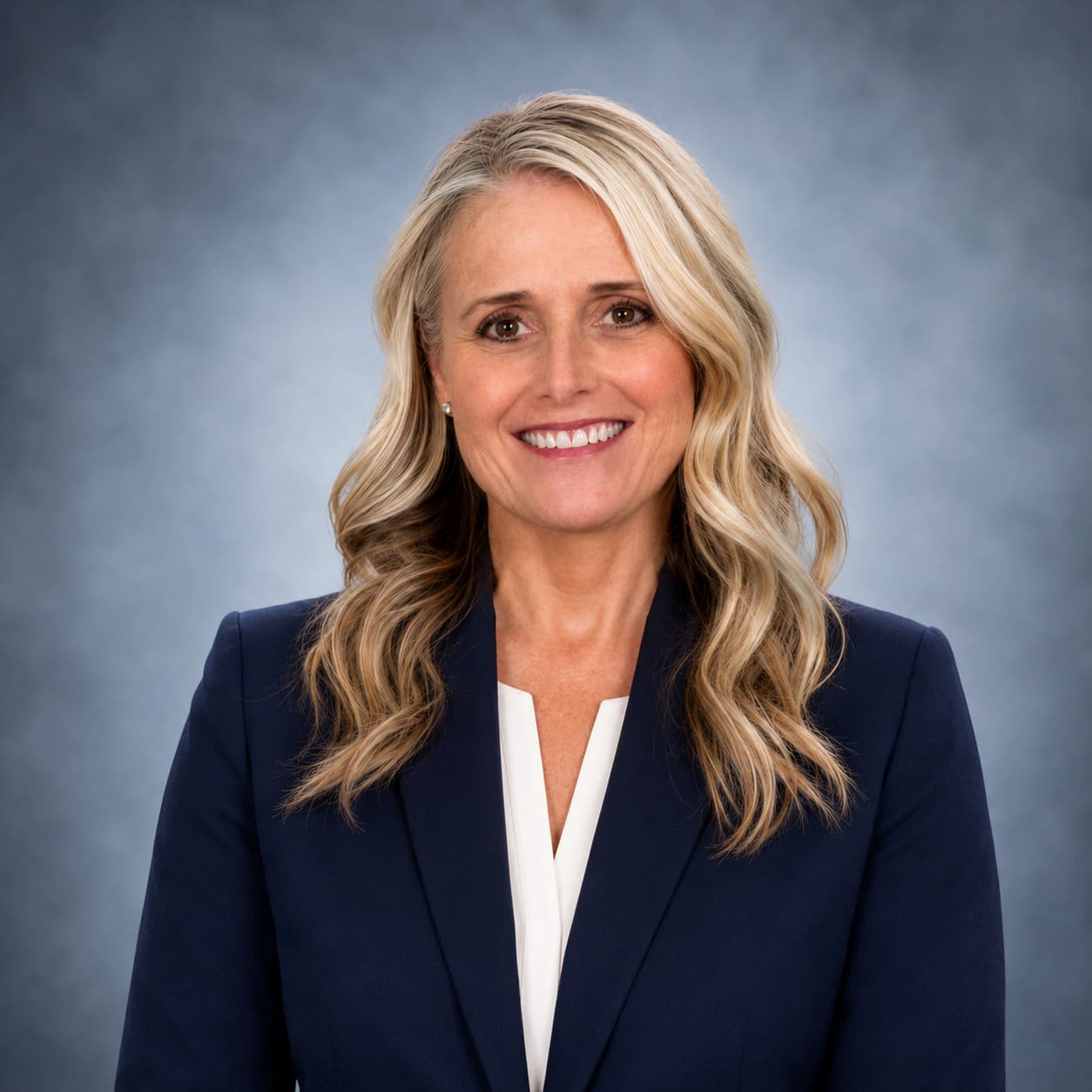
Meet the Dean
Dean, Faculty of Behavioural Sciences
Dr. Tamara Dalrymple serves as Dean, Faculty of Behavioural Sciences at Yorkville University, where she leads strategic initiatives that promote academic excellence, foster innovation, and strengthen the student and faculty experience. Since joining Yorkville University in 2023 as Associate Dean of Field Training, she has held progressive leadership roles, assuming responsibility for the Master of Arts in Counselling Psychology (MACP) program in 2024, before being appointed to her current role in 2026.
With more than 30 years of experience spanning clinical mental health, public service, and higher education, Dr. Dalrymple has dedicated her career to advancing excellence in counsellor education mental health practice. Her leadership experience includes graduate program administration, quality assurance, curriculum development, academic governance, faculty development, and strategic planning. Prior to joining Yorkville University, she held academic leadership positions in graduate counselling education and senior clinical and policy leadership roles within British Columbia’s public mental health system, where she contributed to the development and implementation of province-wide initiatives to strengthen child and youth mental health services and professional practice.
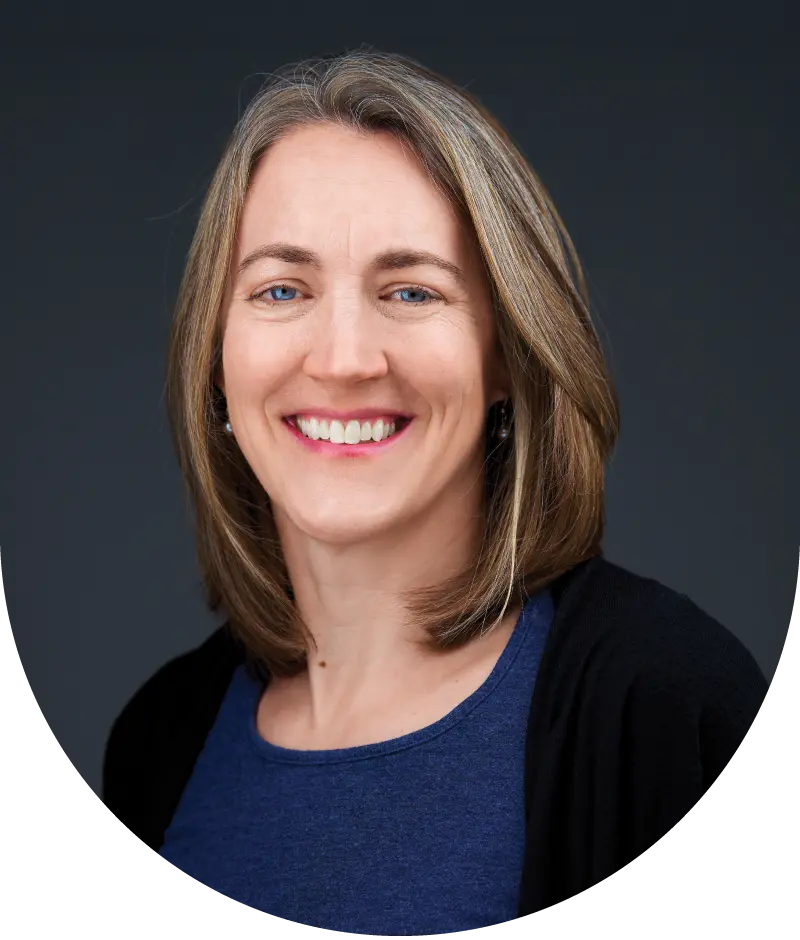
Meet the Program Chair
Dr. Danelle Kabush brings over 20 years of experience as an educator, researcher, practitioner, and consultant across clinical counselling and sport psychology. She has held roles including mental performance consultant, private practice clinician, and academic leader in higher education.
Dr. Kabush holds a PhD in Psychology and is a Registered Clinical Counsellor (RCC) and Certified Mental Performance Consultant (CMPC), with a strong commitment to advancing graduate education and professional practice.
Frequently Asked Questions
Explore answers to common questions. If you don’t see what you’re looking for, connect with an Admissions Advisor for personalized support.
About the Program
Why should I choose the DCP program?
The DCP is Canada’s only professional doctorate dedicated exclusively to counselling and psychotherapy. It is designed to help experienced practitioners expand their influence through leadership, supervision, mentorship, and applied scholarship.
Is the Doctor of Counselling and Psychotherapy program fully online?
Yes. The Doctor of Counselling and Psychotherapy (DCP) is delivered 100% online and includes a mix of asynchronous activities (such as readings, discussions and assignments) and mandatory synchronous components such as scheduled live sessions and supervision or mentorship meetings.
What career paths does the DCP prepare me for?
The DCP prepares experienced practitioners for advanced roles such as clinical supervisor, educator, program director, and leadership positions in counselling and psychotherapy.
How many credits and courses are required to complete the DCP?
The program requires 60 credits in total, with most courses being 3 credits each. You also enrol in an Applied Scholarship Project course that spans the duration of the program and is completed in your final term.
How long does it take to complete the program?
The program can be completed in as few as 3.5 years with full-time, year-round study.
When can I start the program?
The DCP offers multiple intakes throughout the year, typically in January, May, and September.
Applied Scholarship Project
What is the Applied Scholarship Project (ASP)?
The Applied Scholarship Project is the culminating component of the program. Instead of a traditional dissertation, you complete a practice-based project focused on real-world challenges in counselling and psychotherapy.
When do I start working on my Applied Scholarship Project?
You are enrolled in your Applied Scholarship Project course for the duration of the program. Early in the degree you begin planning and developing your project with faculty guidance, and you complete and defend it in your final term.
Do I have a supervisor or mentor for my Applied Scholarship Project?
Yes. You work closely with a faculty member who provides supervision and mentorship throughout your Applied Scholarship Project, from proposal development through to final defence.
What types of projects can I complete?
Projects may include supervision frameworks, clinical innovations, program evaluations, or policy-informed interventions designed for immediate application in practice.
Is the Applied Scholarship Project research-based?
Yes. The project is grounded in scholarly and evidence-informed approaches while focusing on applied outcomes.
Do I need to have clients while I am in the DCP program?
Yes. Because the DCP includes advanced clinical training, mentorship and supervision experiences, you must be professionally active and have counselling or psychotherapy clients during key parts of the program. Typically, you’ll need to be seeing clients between terms 2 and 5, either in paid or qualifying volunteer roles.
Will I have opportunities to mentor or supervise master’s-level counselling students?
Yes. As part of your supervision and leadership training, you gain experience mentoring master’s level counselling students in Yorkville’s MACP program and receive faculty support as you develop your supervisory style.
Can I align my project with my current workplace?
Yes. Students are encouraged to align their project with their professional environment to create meaningful, immediate impact.
Program Structure & Learning Experience
Can I complete the DCP while working full time?
Yes. The program is designed for working professionals, allowing you to continue your practice while completing coursework and applied learning.
How much time will I need to dedicate to each course?
You should expect to dedicate approximately 10–20 hours per week per course.
Are there live or synchronous components?
Yes. The program includes synchronous components such as live sessions, discussions, and supervision-based learning experiences.
How is this program different from a traditional PhD?
The DCP is a professional doctorate focused on applied practice, leadership, supervision, and mentorship rather than purely theoretical research.
Supervision, Mentorship & Practice Integration
Will I gain experience in supervision or mentorship?
Yes. The program emphasizes developing supervision and mentorship competencies, including opportunities to guide other practitioners.
Can I apply what I learn directly to my current role?
Yes. Coursework and scholarship are designed to integrate with your professional environment, allowing immediate application.
Will I work with other experienced professionals?
Yes. You will learn alongside a cohort of experienced practitioners, creating opportunities for collaboration and networking.
Admissions
What documents do I need to apply?
Standard requirements typically include:
• A completed online application
• Official master’s degree transcripts
• Statement of purpose
• Resume or CV
• Two academic or professional references
• Proof of English language proficiency (if applicable)
What type of master’s degree do I need for admission to the DCP?
Applicants typically hold a master’s degree in counselling, psychotherapy, marriage and family therapy, pastoral counselling, applied psychology, nursing, occupational therapy, social work, or an equivalent credential from a recognized university.
Do I need to be fully registered or licensed before starting the DCP?
Yes. Applicants are expected to hold full registration or certification in counselling, psychotherapy, or a closely related field, or to have equivalent authorization to provide counselling or psychotherapy services in their jurisdiction at the time they start the program.
Can I apply if my GPA is below 3.0?
Yes. Applicants with a GPA between 2.5 and 2.99 may be considered for conditional admission with an eligible GMAT or GRE score.
What are the English language requirements?
Applicants whose first language is not English must provide proof of proficiency. Accepted tests typically include TOEFL, IELTS, or equivalent.
Can I apply immediately after completing my master’s degree?
Applicants must have a minimum of two years of post-master’s experience, including at least 1,600 hours of clinical practice.
Do I need to be a registered practitioner to apply?
In most cases, applicants are expected to have relevant professional experience and credentials in counselling or psychotherapy.
Tuition & Financial Support
How much does the DCP program cost?
Tuition for the program is approximately $52,470, with costs calculated per credit.
Are scholarships or bursaries available?
Yorkville University offers scholarships and bursaries. You can explore available options or speak with an Admissions Advisor.
Can I apply for student financial aid?
Domestic students may be eligible for provincial student loan programs depending on their location.
Professional Practice & Recognition
What will my title be? Can I use “Doctor”?
The title “Doctor” is regulated under provincial health legislation. In clinical settings, its use is typically restricted. Graduates may use the title in non-clinical settings and can always state their degree.
Is the DCP recognized across provinces and in other countries?
The DCP is offered by Yorkville University, which is designated by the Government of New Brunswick as a degree granting institution, and the program is recognized as an approved doctoral degree in Canada and throughout North America. Recognition by individual regulatory bodies or employers varies, so it is important to verify requirements in the province, territory, or country where you plan to practice.
Support
Who teaches the DCP program?
Courses are taught by doctorate-credentialed faculty with active clinical experience.
What are the technical requirements for the program?
Students need a reliable internet connection, a modern computer, webcam, and microphone for live sessions and skills practice.
What kind of academic and writing support will I have during the DCP?
DCP students have access to Yorkville’s online library, writing and research resources, and academic advising, as well as faculty mentorship throughout the program and during their Applied Scholarship Project.
Will I be part of a cohort or learning community?
Yes. You progress through key parts of the program with a cohort of experienced counselling and psychotherapy professionals, participating in online discussions, live seminars, supervision groups, and mentorship activities that foster community and peer support.
What if I have more questions?
If you cannot find your question on this page, you can contact an Admissions Advisor, who will be happy to help.
Latest News
View All
View All




Faculty
Meet the Dean
Dean, Faculty of Behavioural Sciences
Dr. Tamara Dalrymple serves as Dean, Faculty of Behavioural Sciences at Yorkville University, where she leads strategic initiatives that promote academic excellence, foster innovation, and strengthen the student and faculty experience. Since joining Yorkville University in 2023 as Associate Dean of Field Training, she has held progressive leadership roles, assuming responsibility for the Master of Arts in Counselling Psychology (MACP) program in 2024, before being appointed to her current role in 2026.
With more than 30 years of experience spanning clinical mental health, public service, and higher education, Dr. Dalrymple has dedicated her career to advancing excellence in counsellor education mental health practice. Her leadership experience includes graduate program administration, quality assurance, curriculum development, academic governance, faculty development, and strategic planning. Prior to joining Yorkville University, she held academic leadership positions in graduate counselling education and senior clinical and policy leadership roles within British Columbia’s public mental health system, where she contributed to the development and implementation of province-wide initiatives to strengthen child and youth mental health services and professional practice.
Dr. Dalrymple holds a Doctor of Psychology (PsyD) and a Master of Arts in Educational Leadership (Counselling). She is an Approved Clinical Supervisor (ACS), a longstanding Registered Clinical Counsellor (RCC), a member of the Canadian Psychological Association (CPA), and board certified in EEG Neurofeedback (BCIA).
In her role as Dean, Dr. Dalrymple is committed to fostering a culture of academic excellence, innovation, and collaboration that supports student success, faculty achievement, and continuous quality improvement. She is passionate about preparing the next generation of counselling and psychotherapy professionals while advancing Yorkville University’s mission of delivering high-quality, accessible graduate education.

Meet the Program Chair
Dr. Danelle Kabush brings over 20 years of experience as an educator, researcher, practitioner, and consultant. She began her career in applied sport psychology, motivation science, and athlete mental health, and has since held diverse roles in clinical counselling and sport psychology consulting. Her professional background includes work as a Mental Performance Consultant with the Canadian Sport Institute, Private Practice Clinician/Consultant, and Sessional Instructor. More recently, she has held a variety of multifaceted leadership positions in higher education, serving as Academic Program Director, Capstone Research Coordinator, Internship Coordinator, and Faculty Member.
Dr. Kabush holds a PhD in Psychology and an MA in Human Kinetics (Sport Psychology) from the University of Ottawa, as well as a BSc in Psychology and a BA in French from the University of Washington, where she was an NCAA All-American in Track and Field. She is a Registered Clinical Counsellor (RCC) with the BCACC and a Certified Mental Performance Consultant (CMPC) with AAASP/CSPA. Danelle is passionate about the transformative experience of graduate education and is eager to leverage her previous leadership experience and collaborate with the Yorkville team to continue to build the Doctorate program. She is committed to fostering a culture of trust, open communication, and continuous improvement.