Bachelor of Creative Arts
Elevate your creative diploma with leadership and business expertise through Canada’s first degree-completion program.



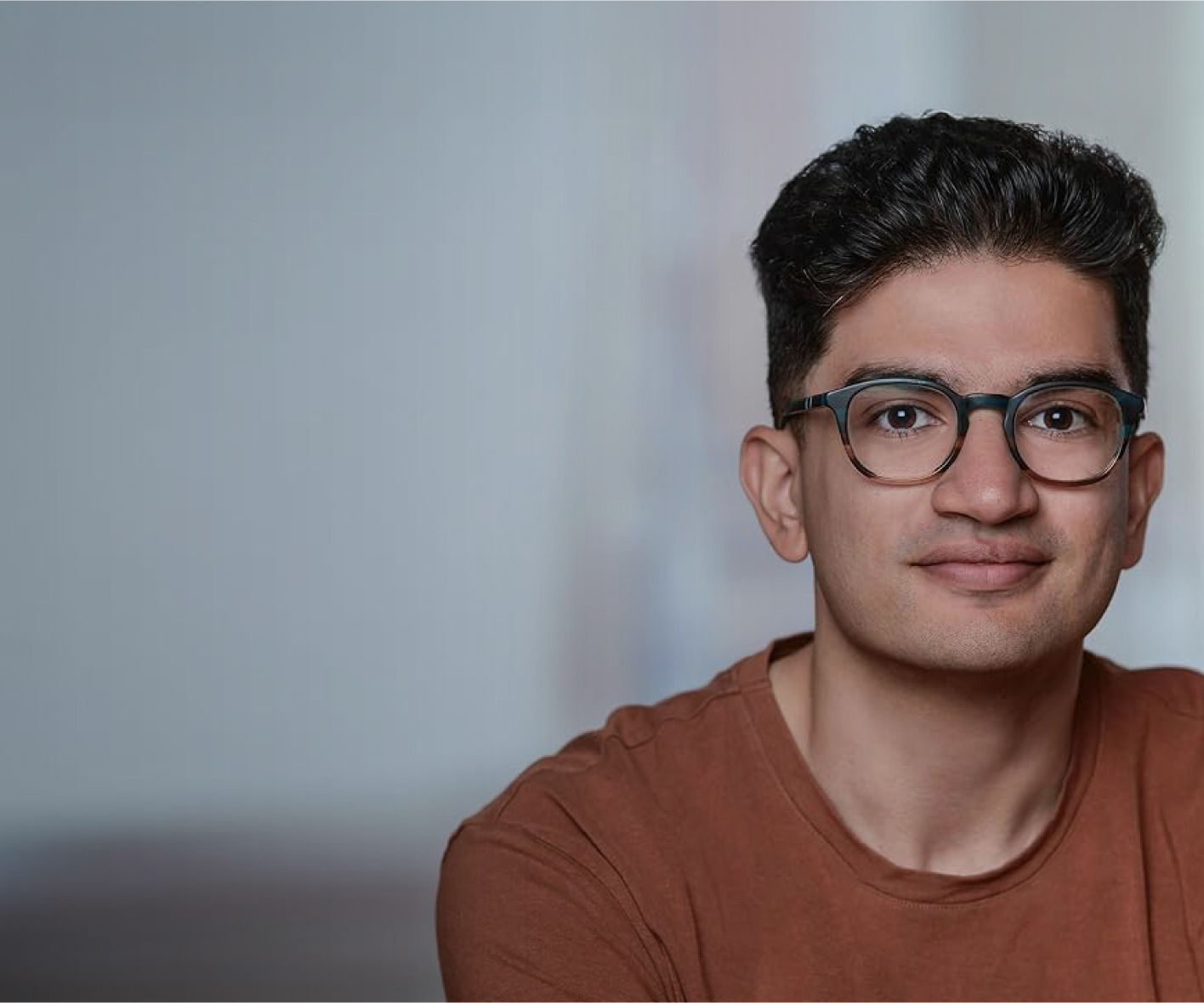
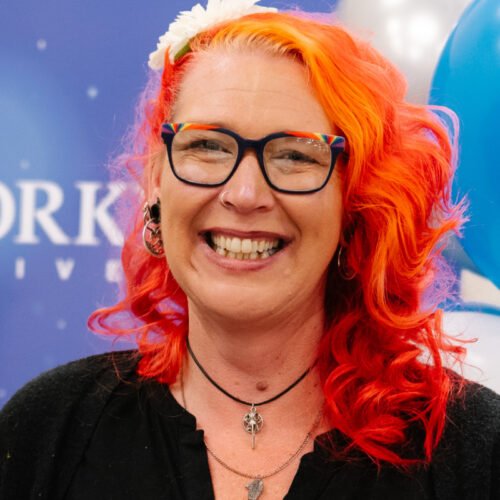
I completed my BCA while filming a Netflix show full time, gaining industry knowledge and applying it on set in real time.
Rami Khan
Actor/Writer/Arts Administrator
Lead the Projects, Talent, and Ideas That Move the Industry Forward
Develop leadership and business expertise through applied projects that reflect real-world creative challenges. Blend artistic practice with entrepreneurship and financial leadership while learning how ideas move from concept to delivery within real budgets, timelines, and stakeholder expectations. Access partnerships that connect you with mentors, producers, and decision-makers. Graduate with the network and knowledge to lead productions, secure funding, and step confidently into leadership roles across Canada’s creative industries.
Duration
As Few as 15 Months*
*With full course load, year-round study and/or approved transfer credits. Contact an Admissions Advisor for more information.
Tuition – Domestic
$36,375*
Online and On Campus
Cost per credit: $483
Total credits: 75
Application fee: $150
Up to $7,500 offered in tuition bursaries.
*Total program cost may be reduced when applying applicable transfer credits.
Tuition – International
$54,375*
On Campus
Cost per credit: $723
Total credits: 75
Application fee: $150
Up to $25,350 offered in tuition bursaries.
*Total program cost may be reduced when applying applicable transfer credits.
Campus
Toronto & Online
Starts
January, April, July, October
Your Program. Your Advantage.
Start Your Application
Start Your Application
Hear From Our Graduates



Admission Requirements
To Apply You Will Need
- Completed online application
- Official post-secondary transcripts from an eligible creative diploma program
- Resume and statement of interest
- $150 application fee
- Evidence of professional experience, such as publications, portfolios, reviews, testimonials, or employer references if applicable
- Proof of English language proficiency with a TOEFL score of at least 80, IELTS overall score of 6.5 (no band score below 6), or equivalent on other recognized tests
Conditional Admission
If you meet all other admission requirements and have an IELTS score of 6.0 in every band, you may qualify for conditional admission. In your first term, you can take up to three courses, including required ENGL101, where you must earn a minimum C+ grade.
Diverse Creative Diploma Backgrounds
Whether your diploma is in film, design, animation, fashion, media, performance, or another creative discipline, this program is designed to help you take the next step toward leadership roles in the industry.
Course Descriptions
Start Your Application
Start Your Application
Program Description
The Bachelor of Creative Arts Program is designed to support students who specialize in diverse areas of creative practice by allowing them to convert their diploma-level credential into a university degree. The BCA Program supplies working artists with a unique blend of practical business, leadership, and project management skills needed to excel in a wide range of creative industries. This program provides students with a strong university-level education to complement their applied or studio-based foundation in creative practice. The BCA delivery method is flexible (campus/online/blended) and its curriculum is critically engaged in contemporary critical discourses across a wide range of artistic disciplines in Canadian and transnational contexts.
3 credits
This course examines the development and current state of creative disciplines across Canada. Students explore examples from various media and other modes of creative expression within historical, social, and contemporary milieux, specific to the Canadian context. Units of study consider artists, movements, trends, and cultural moments that characterize Canadian creative practice across a range of disciplines.
Prerequisites: none
3 credits
This course introduces students to the key ethical and legal rules, processes, and structures that affect creative artists in Canada. Topics include: the nature of ethical rules and legal rules; codes of ethics; cross-cultural ethical concerns; relevant laws relating to agency, contract, defamation, harassment, liability, and negligence.
Prerequisites: none
3 credits
This course examines research practices in the arts, focusing on methods for accessing, assessing, and working with specialized information. Students explore major research methods, engage with diverse sources, investigate research-based artistic practices, and consider ethical and creative approaches to communicating findings and analysis.
Prerequisites: none
3 credits
This course introduces students to a broad context of arts management and administration with a particular focus on Canada’s unique arts ecology. The course examines specific skills relevant to administrative challenges affecting leadership, collaboration, and professional relationships. Course topics and materials explore navigating creative environments, building effective teams, and managing conflict.
Prerequisites: none
3 credits
This course introduces students to the public policy, statutory, regulatory and political landscape surrounding the creative arts in Canada. Students examine the roles of various levels of government, the impact of constitutional frameworks, the development of arts policy, and the function of arts organizations and agencies.
Prerequisites: none
3 credits
Project-based work is central to the creative arts, often defined by clear goals, finite timelines, and dedicated resources. This course outlines the core phases of project management, including initiation, planning, execution, monitoring, and closing, while introducing strategies and tools to facilitate effective planning and resource management.
Prerequisites: none
3 credits
This course introduces students to processes, methods, and issues related to raising and managing the finances required for artistic activities and enterprises. Topics include: sources of public funding and preparation of effective applications for funding; fundraising; strategic and tactical planning, risk assessment and management; making business plans; expenditure management.
Prerequisites: none
3 credits
This course introduces students to the creative practices of criticism and analysis across a variety of artistic disciplines. Through theoretical frameworks and diverse critical methods, students explore discipline-specific analysis and ways to contribute to a breadth of transdisciplinary practices.
Prerequisites: BCAR 3043: Research Methods for the Creative Arts.
3 credits
This course examines the practical aspects of initiating, establishing, and developing artistic enterprises and activities. Students explore feasibility studies, risk, funding sources, marketing considerations, negotiation techniques, and resource needs.
Prerequisites: none
3 credits
This course explores the complexities of cultural and artistic forms of expression in a transnational context. Students investigate examples of subcultural and experimental creativity across disciplinary lines. Through research and critical reflection, students examine their positional awareness as creatives within transnational communities of practice.
Prerequisites: BCAR 3013: Creative Arts in Cultural Context OR BCAR 3014: Creative Practice in Canada
Real-World Learning for Real-World Success
Projects That Reflect Industry Realities
Build confidence through practical coursework shaped by real creative challenges, from funding and contracts to stakeholder alignment and collaboration. Learn from award-winning faculty who bring professional insight and industry context into every course.
- Work on projects shaped by real creative challenges
- Learn from award-winning industry professionals
- Build confidence through applied coursework
Where Creators Become Leaders
Develop the management, financial, and strategic capabilities needed to lead teams, productions, and creative organizations. Apply your learning through a graduating project designed to demonstrate leadership readiness and market potential.
- Build strategic and financial leadership skills
- Strengthen team and production management capabilities
- Complete a market-ready graduating project
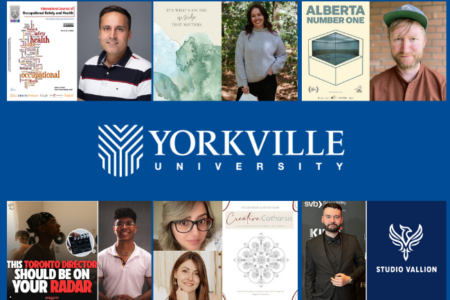
Where Our Graduates Work





Meet the Program Chair
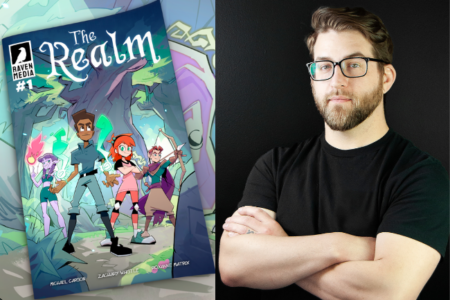
Alexander (Sandy) Carson is a Canadian filmmaker whose work explores the intersections of collective practice and personal storytelling. His films have screened at TIFF and the San Francisco International Film Festival, where he received the Golden Gate Award for New Visions.
As writer and director of the acclaimed feature films O, Brazen Age and Alberta Number One, Carson brings award-winning industry experience, creative leadership, and artistic insight to the program.
Frequently Asked Questions
Explore answers to common questions. If you don’t see what you’re looking for, connect with an Admissions Advisor for personalized support.
Program Overview
What is the Bachelor of Creative Arts at Yorkville University?
The Bachelor of Creative Arts is Canada’s first degree-completion program designed for students with diplomas in creative disciplines. The program builds leadership, business, and strategic capabilities to prepare graduates for senior roles across the creative industries.
Is the Bachelor of Creative Arts a full bachelor’s degree or an add-on?
The Bachelor of Creative Arts is a degree-completion bachelor’s program designed for students who already hold a completed diploma in a creative discipline. It builds on your prior college or conservatory training so you can earn a bachelor’s degree in less time than a traditional four-year program.
Who is the BCA program best suited for?
The program is ideal for creative diploma-holders looking to move into leadership, management, entrepreneurial, and senior project roles across film, design, media, fashion, music, and related creative fields.
Is the program available online and on campus?
Yes. The BCA offers flexible study options, including online and on-campus learning, with the ability to combine formats depending on course availability and scheduling needs.
Can I complete the program while working?
Yes. Many students continue working part time or full time while completing the program. The flexible delivery model is designed to support working creative professionals.
How quickly can I complete the program?
Eligible diploma-holders may be able to complete the degree in as few as 15 months, depending on transfer credits, year-round study, and academic load.
When can I start the program?
The program offers four start dates each year: January, April, July, and October.
Careers & Learning
What kinds of careers can I pursue after graduation?
Graduates may pursue roles such as director, producer, studio head, talent manager, creative director, artist manager, promoter, stage manager, and other leadership roles across Canada’s creative industries.
Will the Bachelor of Creative Arts help me qualify for graduate programs or advanced study?
Yes! In fact, many of our graduates have been accepted to competitive master’s programs at respected universities across Canada and internationally. Admission decisions are made by each institution, so you should check the specific requirements of the master’s or graduate program you are interested in.
Will I work on real-world creative projects?
Yes. The program includes applied projects and coursework shaped by real creative challenges, including funding, contracts, collaboration, leadership, and market-ready project development.
Does the program include group work or collaboration with other creatives?
Yes. Many courses involve collaborative projects, peer feedback, and teamwork that mirror the collaborative nature of creative industries. You will have opportunities to work with classmates from different creative backgrounds on projects that simulate real-world creative production and management.
Will I complete a graduating project?
Yes. Students complete a graduating project designed to demonstrate leadership readiness, applied research capability, and market potential.
Do I need to choose a specialization within the Bachelor of Creative Arts?
The Bachelor of Creative Arts is designed as an interdisciplinary program that brings together students from various creative disciplines rather than offering narrow specializations. You may be able to focus assignments, projects, and your graduating project on your specific area of creative practice.
Who teaches the BCA program?
Courses are taught by award-winning faculty and experienced industry professionals who bring practical insight and current creative-sector experience into every course.
Admissions
How do I apply to the Bachelor of Creative Arts?
You can apply online by submitting the application form, required documents, and application fee. After you apply, an Admissions Advisor will contact you to review your eligibility, discuss transfer credits, and guide you through the next steps.
What documents do I need to apply?
Standard requirements typically include:
- Completed online application
- Official post-secondary transcripts
- Resume and statement of interest
- Portfolio materials or supporting professional evidence
- $150 application fee
- Proof of English language proficiency (if applicable)
What are the minimum admission requirements for the Bachelor of Creative Arts?
Applicants typically need a completed post-secondary diploma in a creative discipline from a recognized institution and must meet Yorkville University’s general admission and English language proficiency requirements. Additional criteria may apply, so it is important to review the current admission requirements with an Admissions Advisor.
What kinds of diploma backgrounds are accepted?
The program is open to applicants with diplomas in creative disciplines such as film, design, media, animation, fashion, music, performance, and related creative arts backgrounds.
What IELTS or TOEFL score do I need to be accepted?
Applicants typically require a TOEFL score of at least 80, an IELTS overall score of 6.5 (with no band below 6.0), or an equivalent score on another recognized test.
How long does it take to receive an admission decision?
Timelines vary, but many applicants receive an admission decision within a few weeks after submitting a complete application and all supporting documents. Applying early before your desired start date helps ensure enough time for document review and, for international students, study permit processing.
What if I don’t meet the minimum English language requirements?
If you meet all other admission requirements and have an IELTS score of 6.0 in every band, you may qualify for conditional admission. In your first term, you can take up to three courses, including ENGL101, where you must earn a minimum C+ grade.
Can I transfer credits from previous studies?
Yes. Eligible previous post-secondary studies and diploma credentials may be assessed for transfer credit and advanced standing, which can reduce your time to completion.
Can I transfer into the Bachelor of Creative Arts from another university or program?
If you have completed relevant post-secondary courses or a creative diploma at another institution, you may be eligible to transfer into the Bachelor of Creative Arts with advanced standing. Your transcripts will be evaluated to determine how many credits can be transferred and how that affects your time to completion.
Tuition & Student Support
How much does the program cost?
Tuition varies by domestic and international status, study format, and transfer credits. Eligible transfer credits may reduce the total program cost.
Does Yorkville University offer scholarships and bursaries?
Yes. Eligible students may access tuition bursaries of up to $7,500 for domestic students and up to $25,350 for international students.
Can I apply for provincial student loans?
Domestic students may be eligible to apply for provincial student loan programs and other provincial funding options.
What support is available for online learners?
Students have access to technical support, academic services, library resources, accessibility services, and Student Services throughout their studies.
Is disability or accessibility support available for online students?
Yes. Yorkville University provides accessibility and accommodation support for eligible students; you can work with Student Services to discuss your needs and available academic accommodations.
What academic support is available if I have been out of school for a while?
Yorkville University offers academic advising, writing and study skills support, access to faculty during office hours, and other student services designed to help adult learners transition back into university study. Many Bachelor of Creative Arts students are returning learners balancing school with work and life responsibilities.
Campus & International Students
Do international students need a study permit?
Yes. International students must obtain a valid study permit before classes begin.
Does Yorkville University offer on-campus accommodations?
Yorkville University does not offer on-campus housing, but resources are available to help students explore off-campus accommodation options.
What if I have more questions?
If you cannot find your question on this page, connect with an Admissions Advisor, who will be happy to help.
Latest News
View All
View All