Every June 21, Canada marks National Indigenous Peoples Day – a time to honour the history, heritage, resilience, and diversity of First Nations, Inuit, and Métis peoples from coast to coast to coast.
.
At Yorkville University, we believe that recognition means more than a date on a calendar. It means showing up with curiosity, humility, and a genuine commitment to understanding the contributions Indigenous peoples have made – and continue to make – to the fabric of Canadian life.
.
This year, on the 30th anniversary of National Indigenous Peoples Day, Yorkville students in communities all across Canada are celebrating the rich and diverse histories and contributions of Indigenous peoples through a range of events and activities. We turned to some of the members of our Indigenous Students Advisory Council (ISAC) to share what the day means to them personally – and how they’ll be marking it.
.
Here’s what they had to say:
.

Tina Adams, Master of Arts in Counselling Psychology
.
What does National Indigenous Peoples Day mean to you?
.
Tansi! National Indigenous Peoples Day is a time for me to pause and reconnect with my Cree ancestry in ways that feel authentic to where I am in my journey. Even though I didn’t grow up with strong cultural teachings, the day represents an opportunity to honour my roots, acknowledge the strength of my ancestors, and continue learning about the traditions that shape my identity. For me, it’s a reminder that reconnecting with culture is a lifelong process, and that I’m part of a much larger story of resilience, community, and continuity.
.
How do you celebrate National Indigenous Peoples Day?
.
I celebrate by engaging in activities that help me feel connected, even in small, meaningful ways. I work in a public school setting and often collaborate with our Indigenous Advocates to help plan and coordinate events at school for our learners. For example, we have invited our Indigenous families to come make bannock, a traditional fry bread, with us and serve it to our learners and staff. We often have activities that are land-based and take place outside as well. Lastly, I will usually choose to wear something that was gifted to me from an Indigenous friend or family member such as beaded earrings to show my pride.
.
Share a fun fact about your community and/or culture.
.
A fun fact about Cree culture is that even a simple word like “grandmother” reflects the diversity of Cree dialects across the land. In some Northern Cree communities, people say ‘Kokum or Nokum’, while in many Southern or Plains Cree communities, the word is pronounced ‘Kookum or Kuukum’, which is what I called my grandmother. They all mean the same thing, grandmother, but the pronunciation shifts with the region and dialect. I love this because it shows how Cree language is deeply tied to place, identity, and community, and how even small differences carry stories about where people come from. I encourage you to read the beautiful picture book by David Bouchard titled Nokum is my Teacher as it is written in English and Cree. Marsi! Thank you!
.
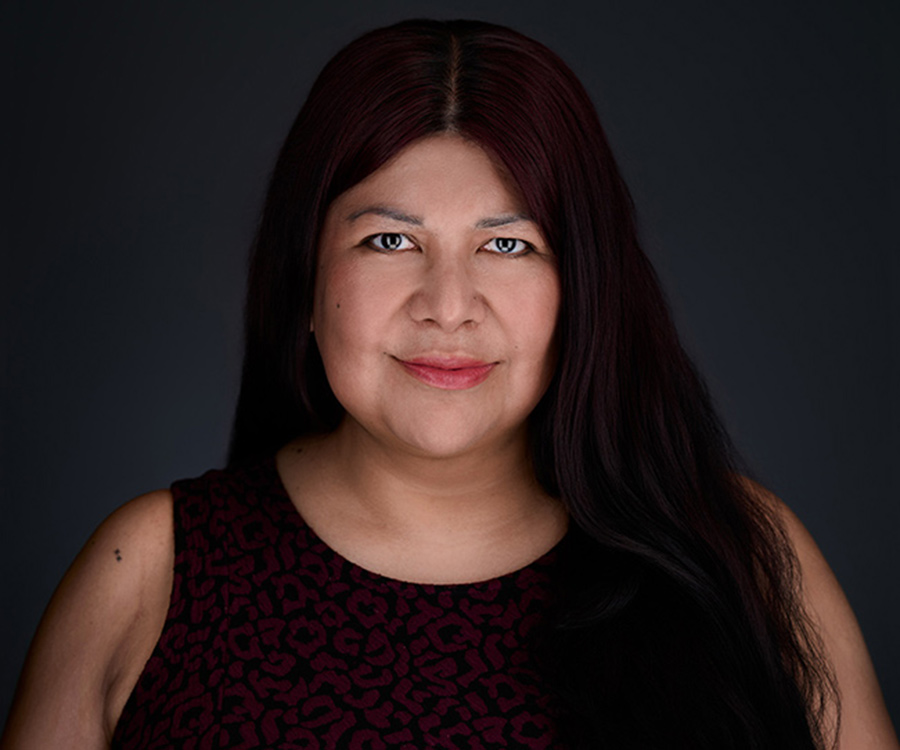
Alice Maracle, Bachelor of Business Administration
.
What does National Indigenous Peoples Day mean to you?
.
For me, National Indigenous Peoples Day is a day to reflect on the growing visibility of Indigenous people in education, business, governance, and professional leadership. As more Indigenous people pursue higher education and enter different industries, we bring perspectives rooted in community, accountability, and sustainability. Building a brighter future also means looking back, honouring the knowledge, teachings, and histories that continue to guide us forward.
.
How do you celebrate National Indigenous Peoples Day?
.
I celebrate National Indigenous Peoples Day by taking time to learn, connect, and share. Whether that means attending community events, supporting Indigenous businesses, or having conversations about Indigenous perspectives, I see the day as an opportunity to celebrate both culture and progress. I also use the day to reflect on the growing presence of Indigenous people in education, business, politics, and leadership, and to recognize the many ways Indigenous peoples connect traditions to future planning. There is tremendous value in perspectives that consider not only immediate outcomes, but also the long-term impacts our decisions have on communities, relationships, and future generations.
.
Share a fun fact about your community and/or culture.
.
A teaching that has always stood out to me is the idea of the seventh generation, that the decisions we make today should consider the impact on people seven generations from now. I think this is especially powerful because it connects tradition to future planning. Long before sustainability became a corporate or academic priority, many Indigenous communities were already thinking about responsibility, stewardship, and the long-term wellbeing of future generations.
.

Hannah Steele, Master of Arts in Counselling Psychology
.
What does National Indigenous Peoples Day mean to you?
.
National Indigenous Peoples Day is a meaningful opportunity for me to celebrate Indigenous cultures, traditions, and communities. It is a time to recognize the strength, resilience, and contributions of Indigenous peoples while reflecting on the importance of preserving our languages, teachings, and ways of life for future generations.
.
How do you celebrate National Indigenous Peoples Day?
.
Living in the Ottawa area, I usually attend the Summer Solstice Indigenous Festival. I enjoy watching the cultural performances, listening to drumming and music, visiting Indigenous vendors and artists, and learning from the many Nations represented at the festival. It is a special way to celebrate Indigenous culture and connect with community members while sharing these experiences with others.
.
Share a fun fact about your community and/or culture.
.
I am from Barriere Lake, an Algonquin community located in western Quebec. A fun fact about my community is that it is known for its strong connection to the land and its traditional territory, which has been stewarded by community members for generations. Hunting, fishing, trapping, and harvesting remain important cultural practices that help preserve Algonquin knowledge and traditions.
.
..

Keisha Price-Pierro, Bachelor of Business Administration
.
What does National Indigenous Peoples Day mean to you?
.
National Indigenous Peoples Day is a time for me to celebrate my identity as a Mi’kmaq woman and honour the resilience, strength, and teachings of our ancestors. It is an opportunity to recognize the importance of preserving our language, culture, and traditions while sharing them with others. For me, it is also about community, connection, and ensuring that our children grow up proud of who they are and where they come from.
.
How do you celebrate National Indigenous Peoples Day?
.
I celebrate by spending time with family, friends, and community members at local cultural events. I enjoy attending powwows, listening to traditional drumming and singing, supporting Indigenous artists and vendors, and taking part in activities that bring people together. As someone learning my Mi’kmaq language, I also use the day to continue strengthening my connection to my culture and to teach my children about the importance of our traditions and identity.
.
Share a fun fact about your community and/or culture.
.
A fun fact about Mi’kmaq culture is that drumming is often referred to as the heartbeat of Mother Earth. The drum brings people together through song, storytelling, and celebration, and plays an important role at gatherings and powwows. Another thing I am proud of is that many Mi’kmaq communities, including Wagmatcook First Nation, are actively revitalizing our language and ensuring it continues to be passed on to future generations.